İntroduction
There is no official or legally enforced segregation in Azerbaijan, but—as in most countries—natural socio-economic differentiation is observed between regions, cities, and individual districts. It is influenced by the level of urbanization, real estate prices, accessibility of infrastructure, business activity, and transportation links. For investors and buyers, it is important to understand how these factors vary across different locations.
1. Differences Between Regions
Baku and Absheron
- The most economically developed region of the country.
- High concentration of businesses, IT companies, educational centers, and government institutions.
- The highest property and rental prices.
- Infrastructure quality is noticeably above the national average.
Ganja, Sumgayit, Lankaran
- Urban centers with a growing economy.
- Mid-range housing prices and active development of commercial and educational clusters.
- Segmentation occurs by employment type: industrial zones, academic districts, private housing areas.
North and Northwest (Gabala, Sheki, Zagatala)
- Established tourist destinations.
- Housing is divided into urban and resort segments; active investment in the hospitality sector.
- Segregation is mild, mostly based on the presence of tourism infrastructure and seasonality.
South (Lankaran, Astara)
- Strong agricultural sector with developing tourism.
- Lower housing prices compared to Baku.
- Segmentation is influenced by lifestyle: rural areas vs. urban centers.
2. Segregation Within Baku
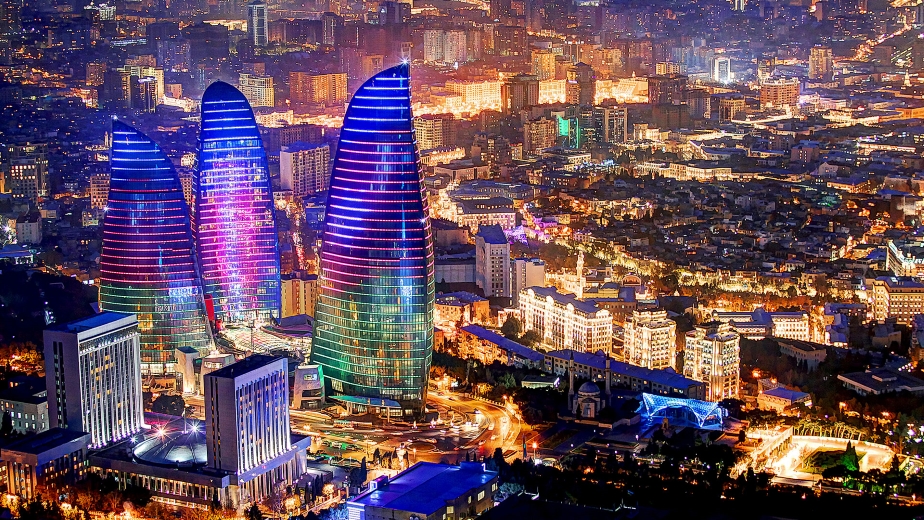
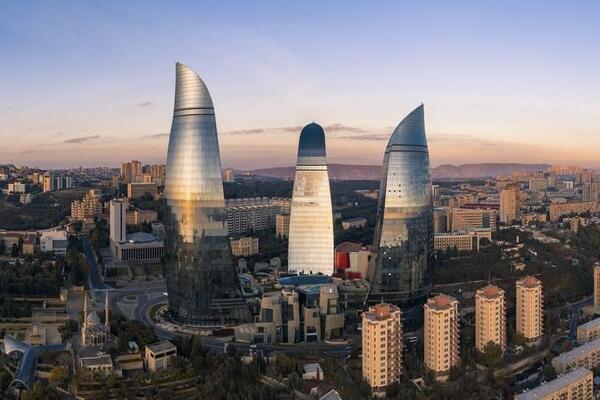
Baku is the most diverse city in the country, where differences are primarily shaped by the prestige of the district, cost of living, and real estate value.
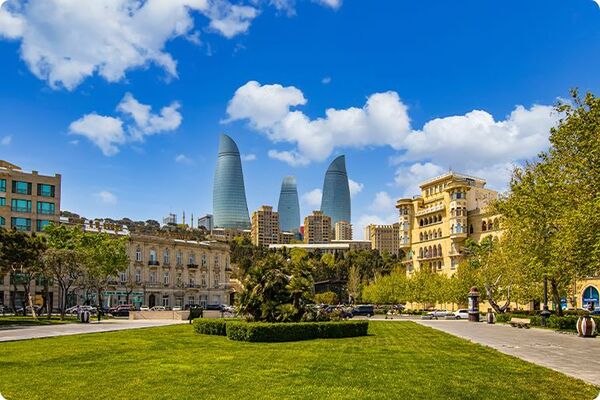
Central districts (Sabail, Nasimi, Yasamal — partly)
- High purchase and rental costs.
- Proximity to the business center, well-developed social infrastructure.
- Mainly business-class and premium housing, new developments with on-site amenities.
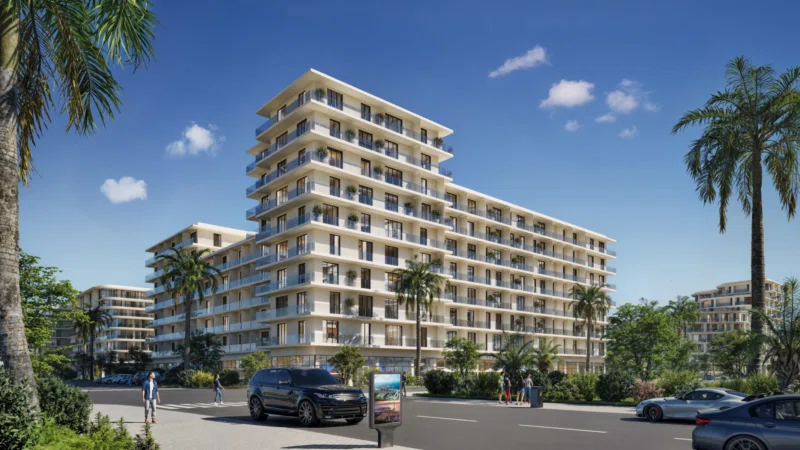
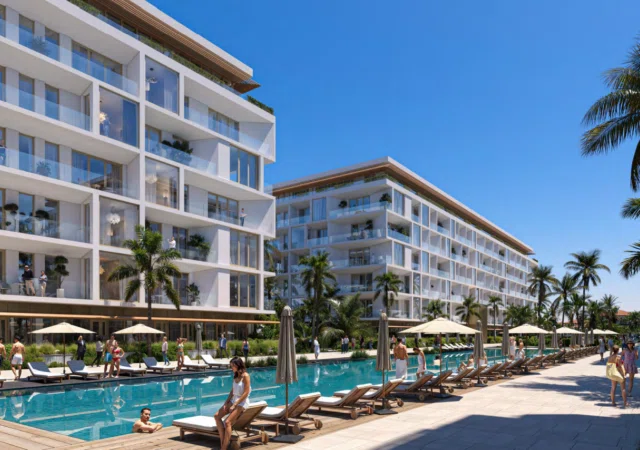
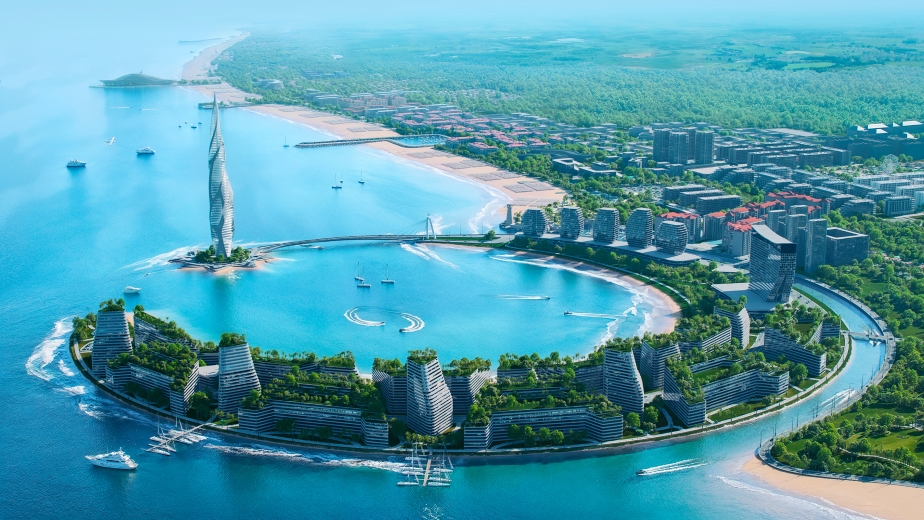
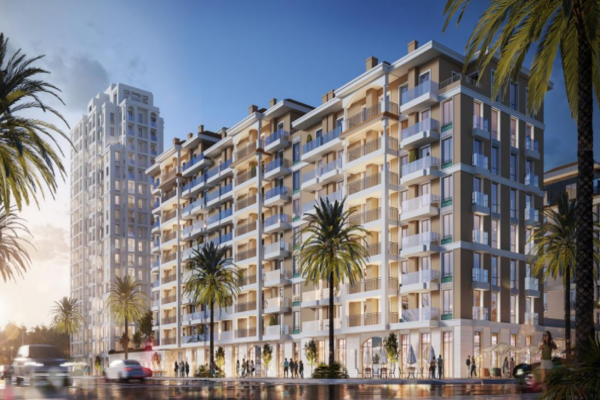
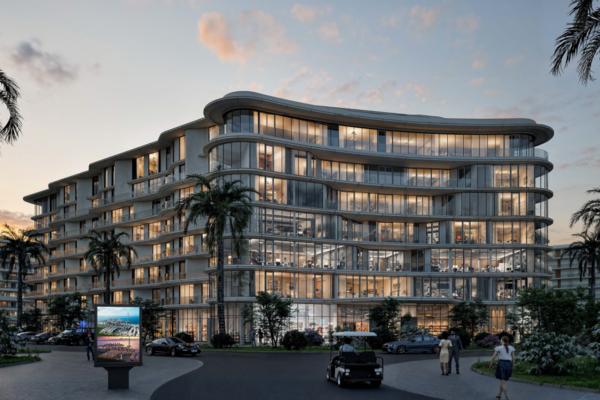
New residential areas and modern clusters (White City, Khazar, Sea Breeze, Masazır Lake City)
- Planned development, high-quality infrastructure, gated complexes.
- Buyers with mid-high to high income levels; many expats.
- A new standard of living is emerging.
Residential “sleeping districts” (Ahmedli, Khatai District, Binagadi, 8th and 9th microdistricts)
- Mid-range prices.
- A lot of secondary housing and dense construction.
- Segmentation is based on building age and transport accessibility.
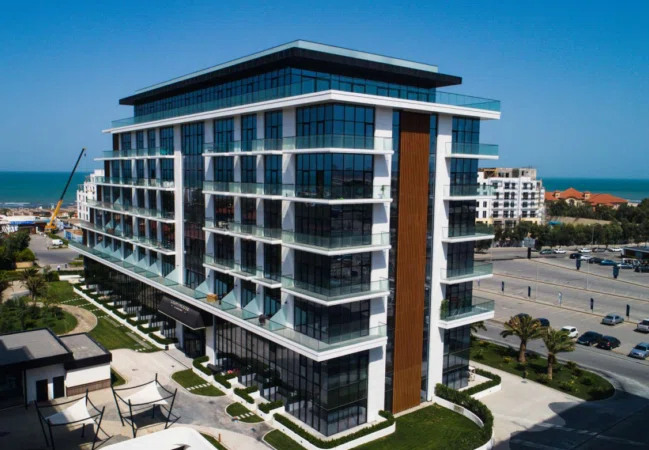
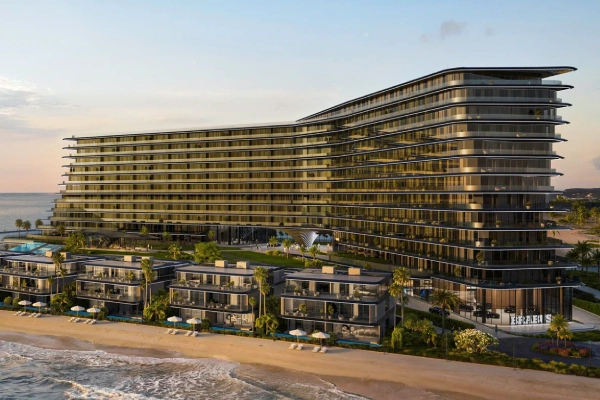
Absheron suburban settlements (Mardakan, Bilgah, Shuvelan, Novkhani)
- Land plots, villas, gated residences.
- Demand driven by affluent families and short-term rental investors.
- Segregation based on street quality and proximity to beaches.
Emerging zones (Goradil, Gobu, Sahilgah — new projects)
- Fast-growing areas with affordable prices.
- Noticeable differences in construction quality: from budget housing to full-featured residential clusters.
3. What Defines Segregation in Azerbaijan
- Level of infrastructure
- Transport, schools, medical facilities, and shopping centers shape demand and affect prices.
- Age and type of buildings
- Older stock (Soviet-era housing)
- New comfort- and business-class developments
- Private villa neighborhoods
- Economic activity of the district
- Business hubs are usually surrounded by mid- and high-class housing.
- Tourism appeal
- Coastal and mountain areas form a separate market with seasonal demand.
- Transport accessibility
- Access to the metro and major highways is a key factor in housing segmentation in Baku.
4. How This Affects the Real Estate Market
Each segment has its own audience:
- Investors prefer new complexes and prestigious districts with high liquidity.
- End-buyers focus on infrastructure and proximity to the metro.
- Rental yields are highest in central Baku, Absheron, and tourist zones.
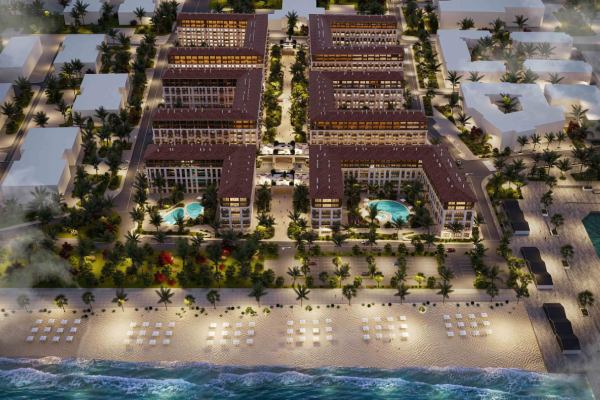
- Developers increasingly build gated communities, forming independent micro-cities.
5. Trends for 2025
- Growing popularity of “city within a city” projects (Sea Breeze, White City).
- Shift toward modern, well-planned districts instead of chaotic development.
- Expansion of Baku’s boundaries through new residential clusters along the coastline.
- Strengthening contrast between premium and mass-market real estate.
- Gradual migration toward modern, greener districts.
Conclusion
Segregation in Azerbaijan is informal and socio-economic in nature, forming naturally over time. For investors, buyers, and real estate agencies, understanding the differences between districts and cities is crucial, as these factors directly influence quality of life, property value, and liquidity. The modern market is moving toward the creation of comfortable districts with comprehensive infrastructure, gradually reducing the gap between older and newly developed urban environments.